Trying to choose between Lakeland and Tampa? You are not alone. Many buyers weigh Lakeland’s value and lake living against Tampa’s urban energy and shorter commutes to major employers and the airport. In this guide, you will see how each city stacks up on the daily details that shape your life: drive times, housing types and costs, HOA expectations, and access to lakes, golf, and coastal amenities. Let’s dive in.
Lakeland vs Tampa at a glance
- Tampa: Primary urban center with a larger job base, major hospitals, more dining and entertainment, and Tampa International Airport. Expect denser neighborhoods and more condos and townhomes near downtown.
- Lakeland: Midsize city between Tampa and Orlando with a quieter, suburban feel. You will see more single‑family homes, larger lots, and abundant lakefront options, plus planned residential and golf communities.
- The tradeoff: Value, space, and lake access often favor Lakeland, while proximity to jobs, nightlife, and TPA favors Tampa.
Commute and transportation
Driving realities on I‑4
If you live in Lakeland and work in central Tampa, your drive along I‑4 commonly runs 30 to 60 minutes depending on exact start and end points and peak traffic conditions. Incidents and congestion can extend that time. Within each city, trips are typically shorter than intercity commutes.
Airports and frequent travel
If you fly often, Tampa International Airport (TPA) is a major convenience. Lakeland Linder serves general aviation and some cargo or charter operations, but TPA handles the region’s commercial traffic and broad route network.
Transit options and flexibility
Both areas are drive‑first markets. Tampa’s HART provides bus service, while Lakeland’s Citrus Connection offers fewer routes and lower frequency. Commuter rail is not established for routine daily commutes between Lakeland and Tampa as of the mid‑2020s. Many residents mix driving, telecommuting, carpools, or employer shuttles to manage longer commutes.
How your commute shapes lifestyle
- Living in Lakeland, working in Tampa: Feasible, but factor in drive time, fuel, and vehicle wear. Some buyers happily accept the commute for a larger home, bigger yard, or lake access.
- Living in Tampa: Typically shorter trips to downtown jobs, hospitals, and TPA. Select neighborhoods support a more car‑light lifestyle, though housing costs are generally higher.
Housing types and price dynamics
Tampa housing mix
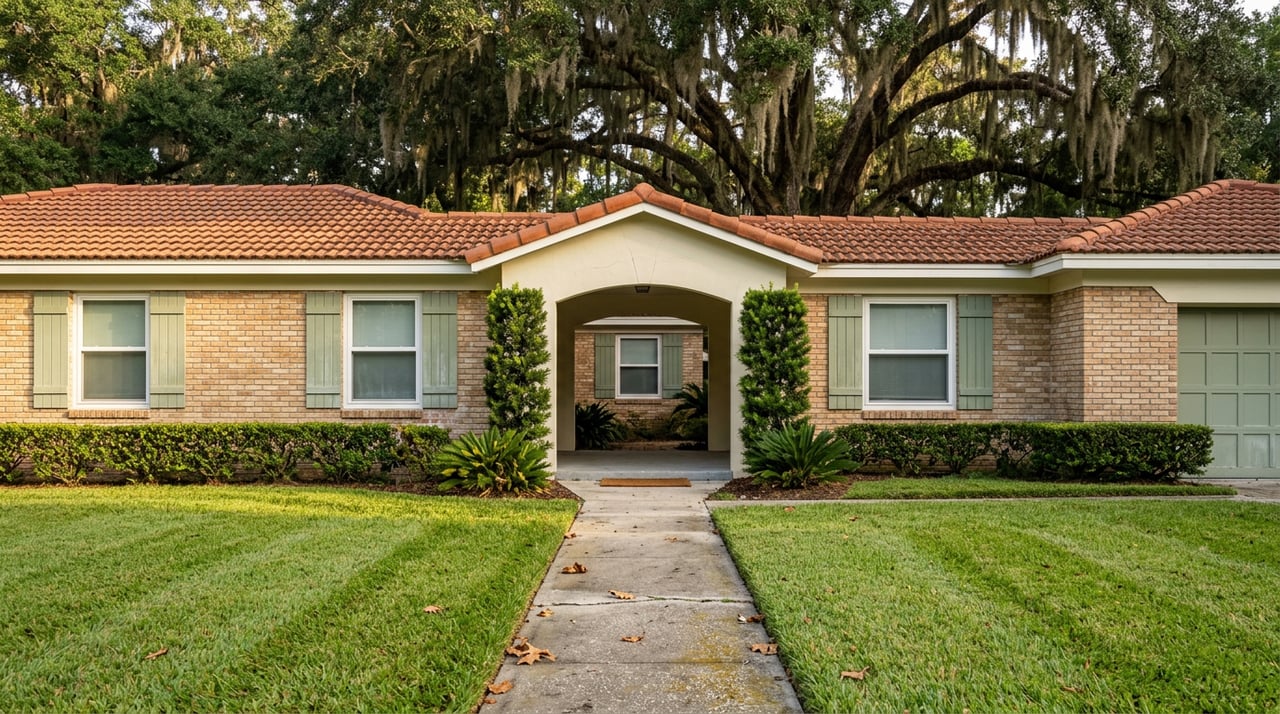
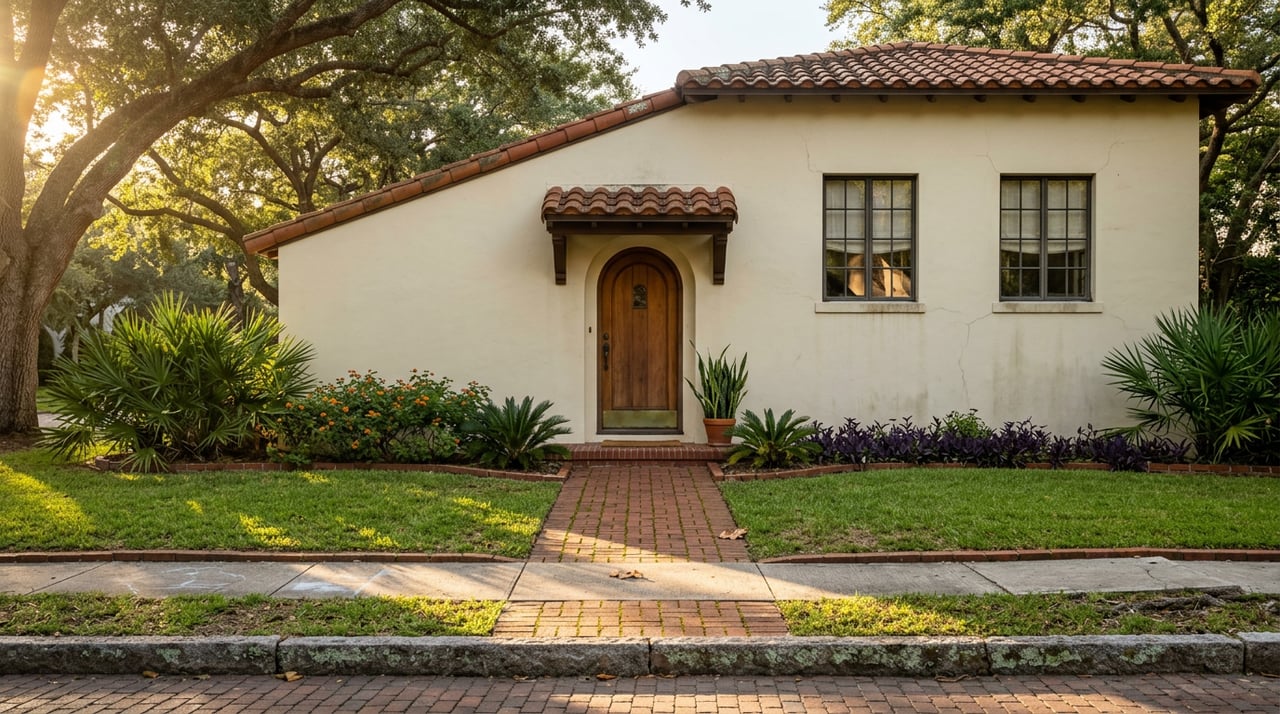
Closer to downtown, you will find condos, townhomes, historic bungalows, and small‑lot single‑family homes in neighborhoods like Hyde Park and Seminole Heights. Suburban areas such as Brandon, Riverview, Westchase, and New Tampa offer larger single‑family homes, usually on modest to moderate lots. New construction includes infill projects and master‑planned communities, with more attached housing options in central locations. Prices tend to rise near the waterfront and core urban districts.
Lakeland housing mix
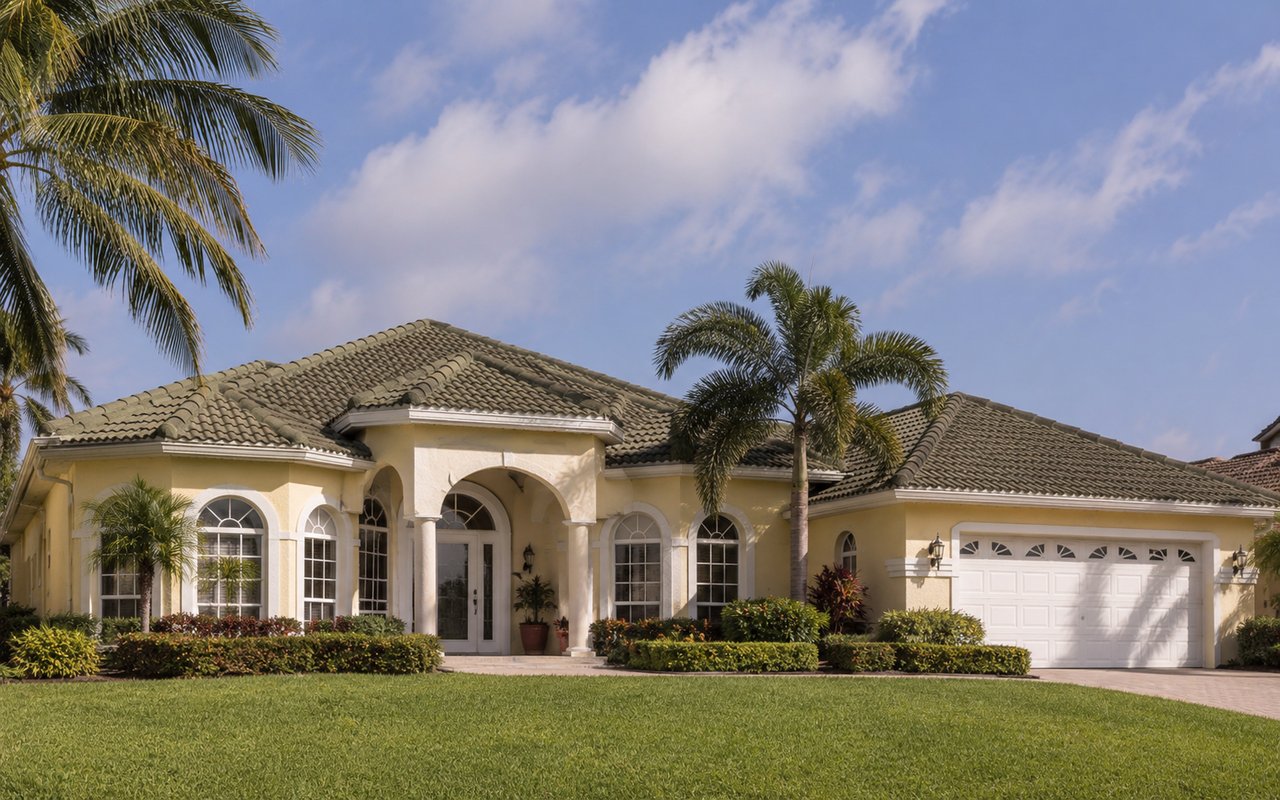
Lakeland is predominantly single‑family with a wide range of lot sizes and a strong emphasis on lakefront and lake‑view properties. You will also see planned subdivisions and golf‑oriented communities, especially among newer construction. Compared with central Tampa neighborhoods, buyers often find lower price per square foot and more space for the same budget.
What your budget buys
- If you want maximum interior square footage, a bigger yard, or direct lake access, Lakeland often delivers more options at a given price point.
- If you prioritize a walkable urban setting, proximity to major employers, or condo living with high‑rise amenities, Tampa has more variety, but you will likely pay more per square foot.
HOA, CDD, and maintenance expectations
Where HOAs are typical
- Tampa: Condominiums and many newer suburban neighborhoods have HOAs. Historic urban areas may have fewer HOAs, though infill and row‑home communities commonly include them.
- Lakeland: Many planned subdivisions, lake communities, and golf neighborhoods use HOAs. Some lakefront homes in unincorporated areas may be outside an HOA, so always verify.
How fees and rules can differ
- Condo associations: Expect monthly fees that typically cover common areas, structural components of the building, reserves, and amenities like a pool or gym. High‑rise waterfront buildings often carry higher fees due to amenities and building systems.
- Single‑family HOAs: Fees vary based on services, from modest costs for common‑area maintenance to higher dues for gatehouses, private roads, pools, and clubhouses.
- CDD fees: Many Florida master‑planned communities include a Community Development District assessment on the tax bill to repay infrastructure bonds. This is separate from HOA dues and important for budgeting.
What to review before you buy
- HOA covenants, rules, and architectural guidelines
- Meeting minutes, budgets, reserve studies, and any planned assessments
- Insurance provisions and maintenance responsibilities
- The property’s tax bill for any CDD assessments
Water, golf, and weekend fun
Lake living in Lakeland
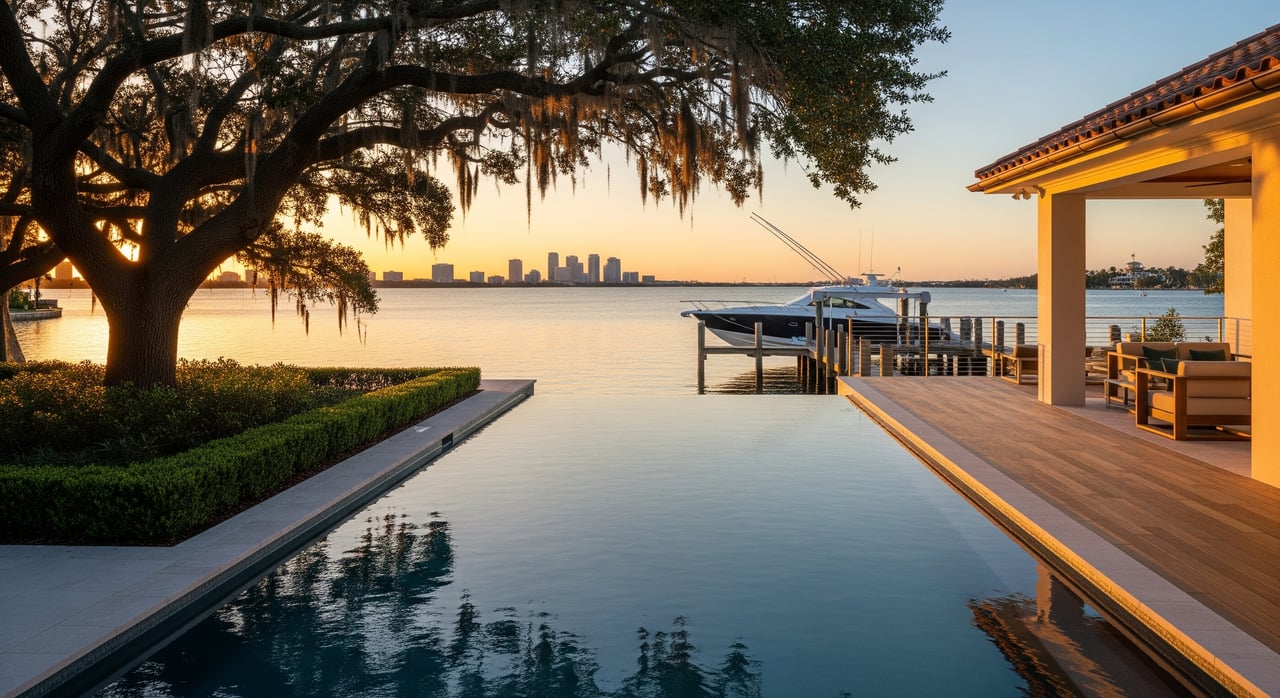
Lakeland is aptly named. Many neighborhoods offer direct or convenient access to lakes, with public and private boat ramps and opportunities for boating and fishing. If your dream includes a dock, a fishing morning, or sunset paddles, Lakeland provides more inland lakefront choices across various price points.
Bay and beach access from Tampa
Tampa’s water lifestyle centers on Tampa Bay and the nearby Gulf Coast beaches. If you want marina services, sailing, or quick trips to coastal spots, living in Tampa places you closer to that ecosystem. Expect a short drive to Gulf beaches in Pinellas County for weekend sand and sunsets.
Golf options across both markets
Both Tampa and Lakeland offer an extensive selection of public and private courses. Lakeland includes golf‑community living at relatively accessible price points compared with some coastal clubs. Tampa offers more high‑profile courses and urban‑adjacent clubs with dining and social events integrated into city life.
Jobs, schools, and total cost
Employment centers and sectors
- Tampa: A larger, diversified economy spanning healthcare, finance, port and logistics, professional services, tourism, and a growing tech presence. Major employers and medical centers cluster in downtown and Westshore.
- Lakeland: Regional employers include distribution and logistics, manufacturing, local healthcare, education, and select corporate headquarters. Some residents commute to Tampa or Orlando for specialized roles.
Schools and education options
Hillsborough County Public Schools and Polk County Public Schools serve the respective areas. Both districts offer magnet and charter options, and there are private schools in each region. Because school performance varies by neighborhood and changes over time, check district resources and state performance data for the specific addresses you are considering.
Taxes, insurance, and flood considerations
Florida has no state income tax, but property tax levels differ by county and municipality. Your effective cost depends on assessed value and any special districts like CDDs. Insurance costs vary by proximity to coast, building age and construction, and flood zone designation. Homes near Tampa Bay may have higher wind or flood insurance costs, while inland Lakeland can also have localized flood risk around lakes. Always review FEMA flood maps, obtain elevation information where needed, and get quotes tailored to the property.
Which buyer are you?
Urban professional
You want nightlife, dining, and shorter hops to major employers and TPA. Tampa likely fits best, with options ranging from high‑rise condos to historic bungalows near the core.
Lake and yard seeker
You picture evenings on the dock and weekend fishing with more breathing room at home. Lakeland often delivers bigger lots, more interior space, and abundant lake opportunities for the budget.
Frequent flyer or medical pro
Your time matters and you need close access to the airport or major hospitals. Tampa places you closer to TPA and the concentration of regional medical centers.
Golf‑centric lifestyle
You want a community where golf is at the center of the day. Both cities offer strong options. For golf‑community living with larger yards at a given budget, Lakeland may be attractive. For larger club networks and city‑adjacent social life, Tampa stands out.
How to decide: a practical checklist
- Commute tolerance: Decide your maximum daily drive. Test typical peak‑hour routes between likely home and work locations.
- Must‑have access: List hospitals, airport, groceries, and services you want within a set radius and verify drive times.
- Housing priorities: Rank yard size, lake access, condo vs single‑family, new construction vs historic character.
- HOA and CDD awareness: Request HOA documents, dues schedules, and recent meeting minutes; confirm any CDD assessments on the tax bill.
- Insurance and flood: Check flood maps, ask for elevation details if applicable, and obtain insurance quotes early.
- Recreation fit: Verify boat ramp availability and rules; check golf membership options and costs.
- Resale outlook: Consider proximity to employers, school options, and planned infrastructure projects for long‑term value.
Work with a guide who knows both
Choosing between Lakeland and Tampa is not just about price. It is about how you want to live. Willers Homes is based in Lakeland with reach across Tampa Bay, combining neighborhood‑level insight with polished marketing and negotiation. If you are selling, our white‑glove approach includes free professional staging and cinematic media to position your home for faster, stronger results. If you are buying, you will get candid guidance on commute tradeoffs, HOA and CDD implications, insurance factors, and lake or bay access that matches your goals.
Ready to map your move and compare homes on both sides of I‑4? Connect with Elizabeth Willers to walk through neighborhoods, preview on‑ and off‑market options, and make a confident decision. Request a Free Staging Consultation & Instant Home Valuation.
FAQs
Is Lakeland a realistic daily commute to Tampa for office workers?
- Yes, many do it; expect typical I‑4 drives of about 30 to 60 minutes depending on exact locations and traffic conditions.
Will I get more house for my budget in Lakeland compared with Tampa?
- Generally yes; Lakeland often offers lower cost per square foot, larger lots, and more space at comparable price points.
How common are HOAs and CDDs in Lakeland and Tampa suburbs?
- Both areas have many HOA communities, and some master‑planned neighborhoods include CDD fees on the tax bill; always verify specifics.
Which city is better for boating and water access, Lakeland or Tampa?
- Lakeland excels at inland lake boating and fishing, while Tampa offers bay and coastal access with marinas and nearby Gulf beaches.
Are there many condos and walkable urban options in Lakeland?
- Condos exist but are fewer; Lakeland is dominated by detached homes, while Tampa has more condo and townhome choices near urban cores.
How do schools compare between Hillsborough and Polk counties?
- Both districts have varied performance by neighborhood and program; review district and state data for the specific schools that serve your target addresses.