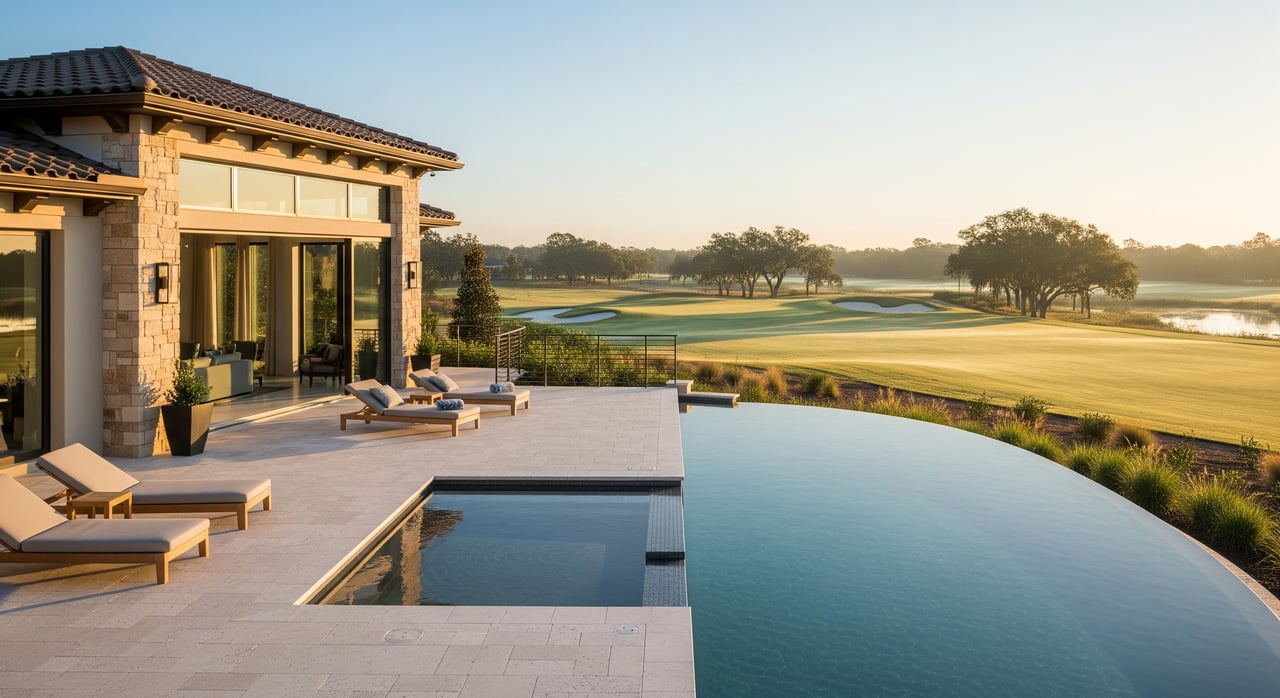
Curious what daily life looks like when your neighborhood centers on an on-site golf course? If you’re considering Grasslands or another Lakeland golf community, you want more than pretty fairway views. You want clarity on memberships, HOA coverage, daily routines, and long-term value. This guide breaks down how golf-community living works in Polk County so you can decide if Grasslands and similar neighborhoods fit your lifestyle and budget. Let’s dive in.
What golf-community living means
A golf community is a residential neighborhood planned around a course with a clubhouse and supporting amenities. In Lakeland, you’ll see private clubs, semi-private clubs, and resident-access models with social memberships. Amenities often include dining, fitness, pool, tennis or pickleball, and a steady social calendar.
Central Florida’s climate supports year-round play, which makes these communities appealing for retirees, seasonal residents, and active families. HOA structures vary, so two neighborhoods that look similar from the gate can feel very different in day-to-day life and cost of ownership.
Membership models you’ll see
- Private club membership with initiation and monthly dues, usually limited to members and their guests.
- Semi-private access where members get priority and the public may have limited tee times.
- Resident-included or social memberships that focus on clubhouse, pool, and fitness access.
Before you buy, ask about initiation structure, monthly dues, guest policies, and any food-and-beverage minimums. These details shape both your routine and your budget.
How membership impacts budget and resale
Membership dues and policies can influence buyer interest and resale value. Transferable or bundled memberships may attract future buyers, while waiting lists or limited access can cap appeal. Verify specifics directly with the club or membership office for the most current policies and fees.
Clubhouse culture and daily life
The clubhouse is the social heart of most golf communities. Expect casual and occasional formal dining, holiday events, golf leagues, card groups, and charity tournaments. Some clubs feature family-focused events and youth programming, while others prioritize league play and adults-only socials.
Social and dining expectations
Look for a mix of weekly specials, weekend brunch, or themed dinners. Ask about dress codes, reservation requirements, and evening hours. If you plan to dine on-site several nights a week, confirm the calendar matches your routine.
Fitness and racquet sports
Many Lakeland-area clubs offer fitness centers, group classes, pools, and tennis or pickleball. If staying active beyond golf is a priority, compare the fitness offerings, court availability, and lesson programs.
Culture-fit checks to make
- How crowded is the tee sheet during peak season?
- Are tournaments frequent enough to limit casual play?
- Does the social crowd line up with your expectations for pace, formality, and family-friendliness?
Homes, maintenance, and lock-and-leave
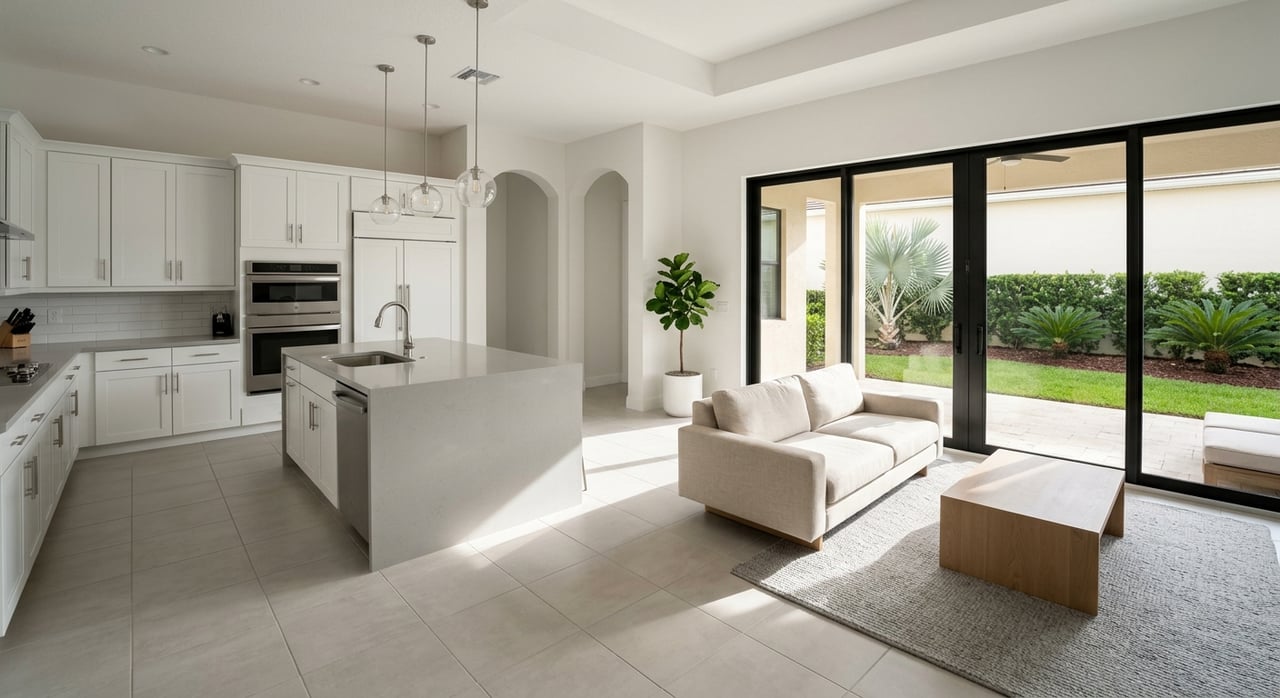
You’ll find a range of home types in Lakeland golf communities: single-family homes, maintenance-focused villas, paired homes, and sometimes condos or stacked villas. Architectural styles lean Florida traditional, Mediterranean, and modern suburban.
What HOA dues often cover
HOA coverage varies widely. Some communities include exterior paint, roof maintenance, lawn care, and irrigation. Others handle only common areas. Ask for the current budget and landscaping contract to see exactly what’s included and what remains your responsibility.
Lock-and-leave realities
Florida golf communities can support part-time living thanks to exterior maintenance and controlled access. Still, you should plan for hurricane prep, irrigation checks, pest control, and mail management. A local property manager or trusted neighbor can make seasonal living smoother.
Amenities, routines, and value
Amenities shape daily habits. On-site fitness can replace your gym membership. Club dining can simplify weekdays. Golf access can turn into a standing morning tee time, plus practice sessions on the range.
A sample day in Grasslands-style living
- Morning: Nine holes before work or a long walk along the community’s sidewalks and cart paths.
- Midday: Quick lunch at the clubhouse bistro.
- Afternoon: Pool time or a fitness class.
- Evening: Couples’ league, trivia night, or a sunset drink on the patio.
Resale benefits and tradeoffs
Buyers often pay a premium for course views, an active clubhouse, and convenient amenities. Tradeoffs can include maintenance noise, early-morning grounds crews, and golf ball risks on certain lots. A strong club with steady participation tends to support home values, while a change in the club model or amenities can affect long-term premiums.
Due diligence checklist for buyers
Use this list as you compare Grasslands and other Lakeland communities:
- Club and membership
- Membership tiers, initiation fee structure, monthly dues, and any food minimums.
- Tee-time rules, tournament calendars, guest policies, and reciprocity with other clubs.
- Financial health of the club and how often fees change.
- HOA and community
- Declaration and CCRs, architectural guidelines, and the current budget and reserve study.
- What the landscaping contract covers, including irrigation and lake management.
- Gate access and visitor policies.
- Property and site
- Parcel details and tax assessments through the Polk County Property Appraiser.
- Whether a Community Development District exists and any bond assessments under Florida Statutes, Chapter 190.
- Flood zone status using the FEMA Flood Map Service Center.
- Insurance availability and windstorm deductibles, guided by the Florida Office of Insurance Regulation.
- Lifestyle fit
- Social calendar activity year-round vs seasonal.
- Typical noise and maintenance schedules near fairways.
- Pet policies and walking access.
For broader HOA best practices and owner rights, the Community Associations Institute and Florida Statutes, Chapter 720 are helpful references. For recorded plats, permits, or zoning, check Polk County Planning & Development.
Seller tips inside golf communities
If you’re listing a home in Grasslands or a similar neighborhood, presentation and precision matter.
- Lead with lifestyle. Showcase golf, dining, and fitness access with targeted visuals and copy.
- Clarify the numbers. Provide HOA inclusions, fee ranges, and membership options when available from the association and club.
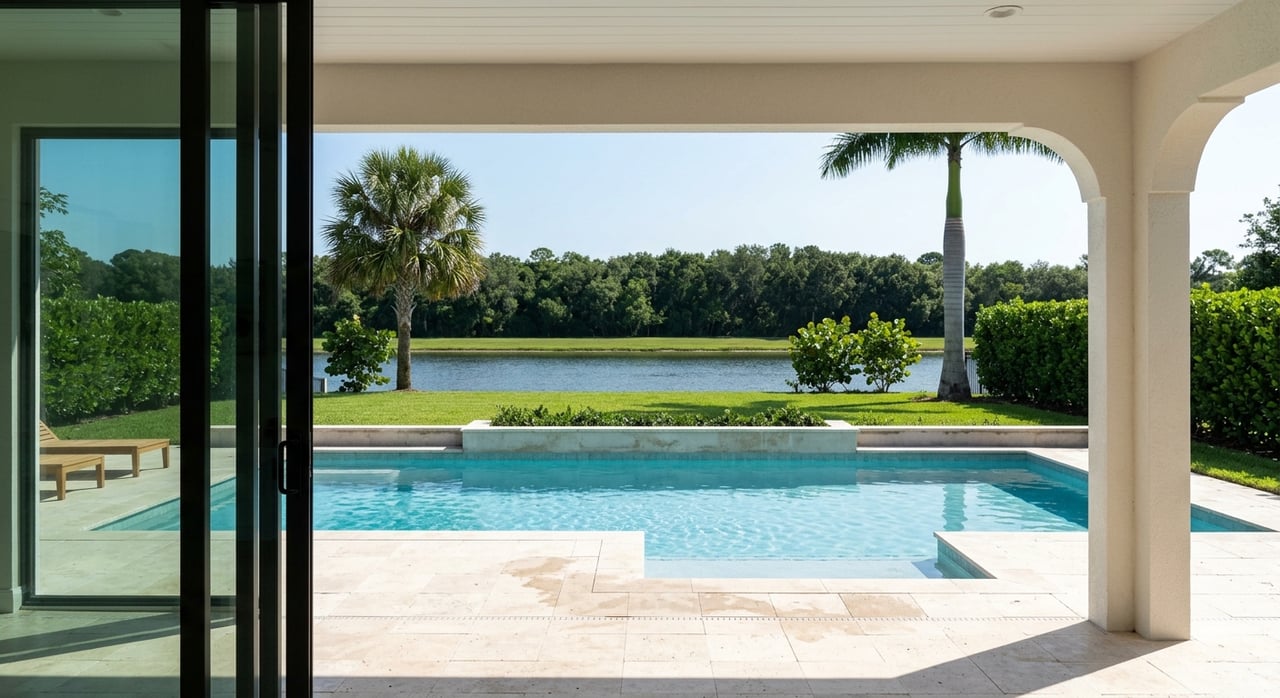
- Stage for the view. Highlight indoor-outdoor flow, lanai seating, and fairway sightlines.
- Time it right. Coordinate showings around maintenance schedules or high-traffic tee times.
A polished, cinematic launch with clear lifestyle messaging can help your listing stand out to amenity-driven buyers.
Florida-specific considerations
- HOAs and records: Florida law sets standards for HOA governance and owner access to records. Review Florida Statutes, Chapter 720 to understand rights and requirements.
- CDDs and taxes: Many Florida communities finance infrastructure through CDDs. Confirm assessments under Chapter 190 and verify on your property tax bill.
- Insurance: The market can be volatile. Get quotes for the specific property and understand windstorm deductibles using guidance from the Florida Office of Insurance Regulation.
- Environmental: Golf courses rely on irrigation and chemical treatments. Ask about buffer zones, lake management, and maintenance schedules.
- Long-term land use: If club models change or courses repurpose land, neighborhood character and values may shift. Review recorded developer rights and CCRs.
Ready to explore Grasslands?
Whether you’re drawn to lock-and-leave convenience, a vibrant social calendar, or year-round golf, Lakeland’s golf communities offer a lifestyle that blends recreation, connection, and convenience. If Grasslands is on your short list, we can help you verify membership details, review HOA documents, and compare homes and views that fit your goals. For tailored guidance and a polished plan, connect with Elizabeth Willers.
FAQs
Are golf-club memberships required in Grasslands or Lakeland communities?
- Policies vary by community and club; confirm membership requirements and access directly with the membership office and in the CCRs.
How do HOA and CDD fees affect total cost in Polk County golf communities?
- HOA dues cover community services and sometimes exterior maintenance, while CDD assessments, if present, appear on your tax bill and fund infrastructure.
What makes a home truly lock-and-leave in a Florida golf community?
- Exterior maintenance, irrigation, and security coverage through the HOA, plus a plan for storm prep, pest control, and mail while you’re away.
Do homes on the course sell for more in Lakeland?
- Many buyers value course views and active clubs, but premiums depend on demand, club health, privacy, and potential nuisances like noise or ball strikes.
How can I check flood risk for a Lakeland golf-community home?
- Review the property’s FEMA flood zone, consult elevation data, and confirm any lender insurance requirements before you write an offer.