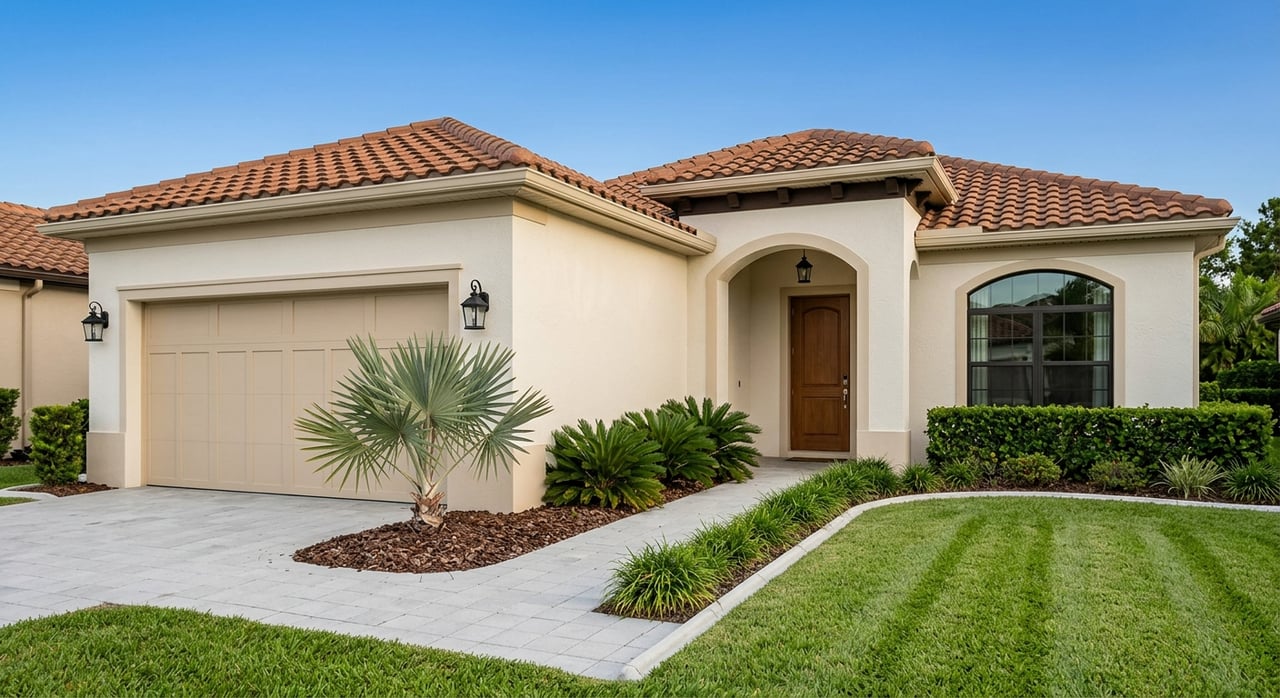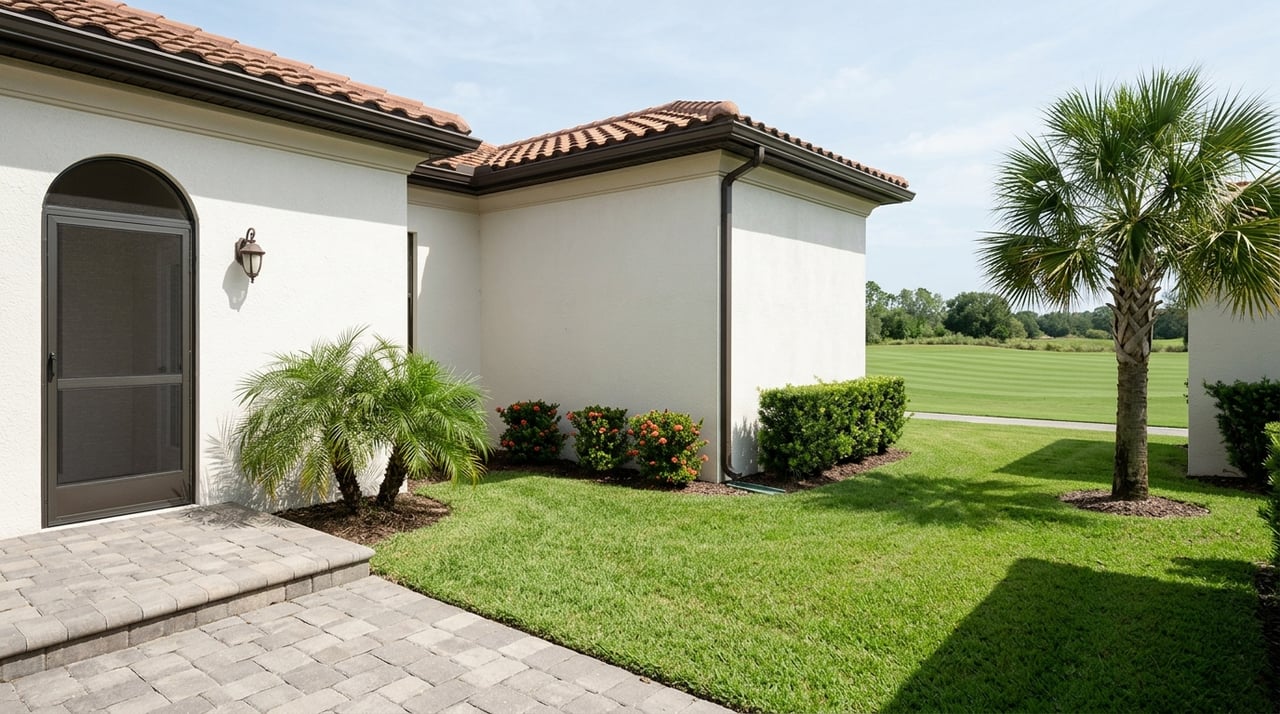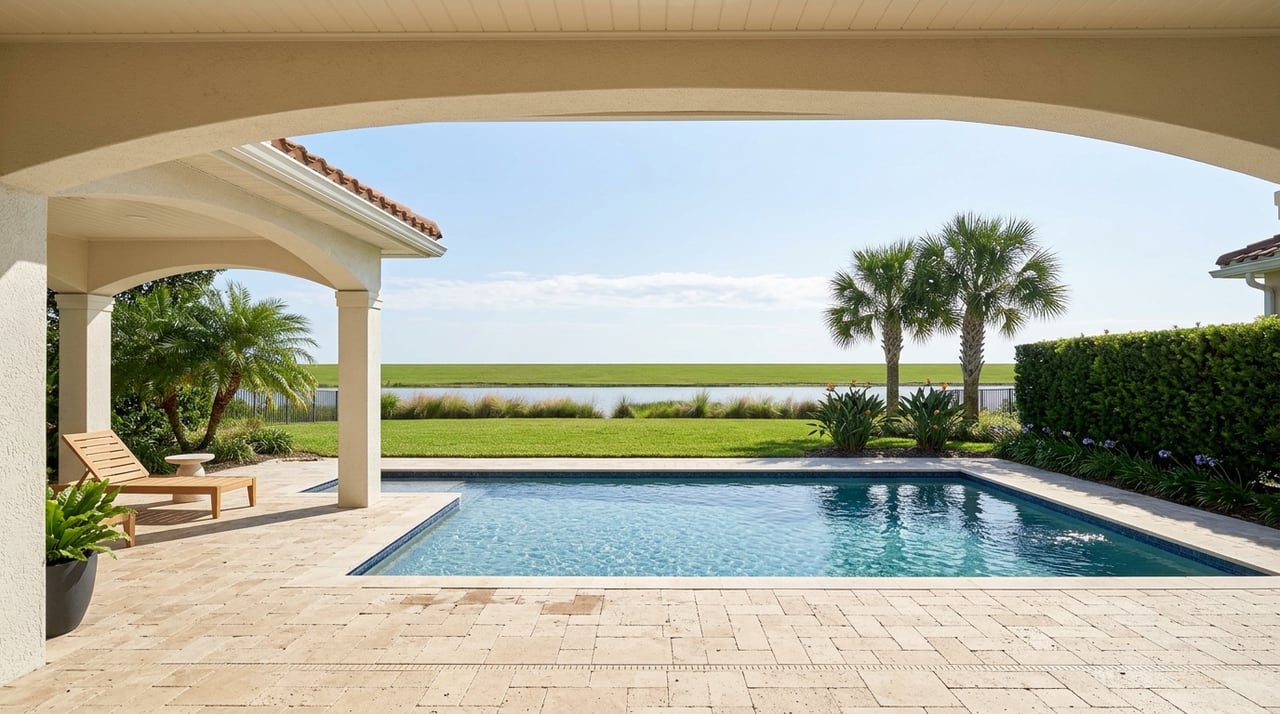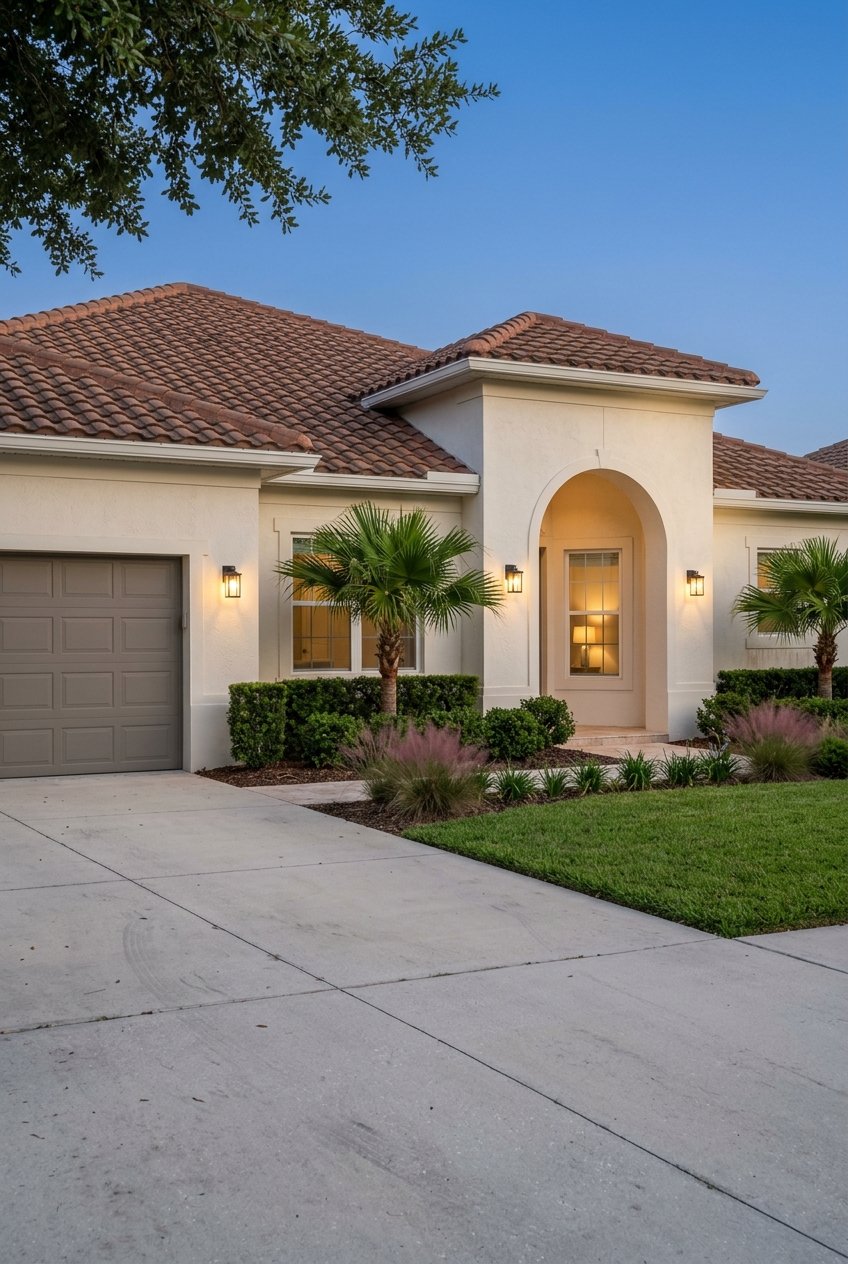
If your Lakeland lakefront home has a stunning view, you might assume that is enough to win buyers over. In today’s market, it usually is not. Buyers are comparing homes online first, and the properties that feel polished, bright, and easy to imagine living in tend to make a stronger impression faster. This guide will show you how strategic staging helps your lakefront home stand out in Lakeland, connect with buyers emotionally, and support a faster sale. Let’s dive in.
Why staging matters in Lakeland
Lakeland is a city shaped by water. According to the City of Lakeland, there are 38 named lakes within city limits, and those lakes contribute to the city’s scenery, recreation, wildlife habitat, and stormwater function.
That matters when you sell a lakefront property. Buyers are not just evaluating square footage, finishes, or bedroom count. They are also judging how the home lives with the water, how the views show up from key rooms, and whether the outdoor spaces feel like part of daily life.
The broader market also makes presentation more important. Redfin reports a median Lakeland home sale price of $300,345 and an average of 48 days on market over the last three months ending April 2026, while Realtor.com reports about 12,953 homes for sale in Polk County and 74 median days on market in April 2026.
When buyers have options, your home needs to do its job quickly. Strategic staging helps it do that both online and in person.
What strategic staging actually does
Staging is not just decorating. It is a marketing tool that helps buyers understand the home, the layout, and the lifestyle it offers.
The National Association of Realtors reported in its 2025 Profile of Home Staging that 83% of buyers’ agents said staging made it easier for buyers to visualize a property as their future home. The same report found that 49% of agents saw staging reduce time on market, and 29% reported a 1% to 10% increase in offered value.
For a Lakeland lakefront home, that effect can be especially important. The setting is emotional, and staging helps guide that emotion in a clear way. Instead of letting buyers guess how a room should function, staging shows them how the living room connects to the lanai, how a bedroom can frame a water view, or how a patio can feel like a true living space.
Why lakefront homes need a different approach
A lakefront home is a visual product. That does not mean every room has to feel formal or expensive. It means the presentation should direct attention to the features buyers are paying for.
In many homes, that starts with sightlines. When buyers walk through the front door or scroll the first few listing photos, they should quickly understand where the view is and how the home connects to it.
That often means removing bulky furniture, simplifying accessories, and reducing personal items. A cleaner setup helps rooms look larger, calmer, and more connected to the outdoors.
It also means treating exterior spaces seriously. On a lakefront property, a screened lanai, dock, patio, or pool deck should not look like leftover space. It should read as intentional, usable, and part of the value of the home.
The rooms to stage first
If you want the biggest impact, start with the spaces buyers respond to most. NAR found that the most commonly staged rooms were the living room, primary bedroom, dining room, and kitchen.
For Lakeland lakefront homes, those priorities make sense because they often carry the strongest indoor-outdoor connection. These are also the rooms that tend to show up first and most often in listing photos.
Living room
The living room often sets the tone for the entire showing. If it feels open, bright, and balanced, buyers are more likely to keep engaging with the rest of the home.
In a lakefront setting, the goal is usually to support the view, not compete with it. Furniture should feel scaled to the room, arranged for flow, and positioned to make windows and doors feel like assets.
Primary bedroom
The primary bedroom should feel calm and simple. Buyers want to understand the size of the room, the natural light, and any view it may offer.
Soft bedding, minimal decor, and clear surfaces can help the space feel restful. If the room has a lake view, the setup should make that obvious without over-styling it.
Dining room
A dining room can help buyers imagine everyday use and entertaining. Even in an open-concept layout, defining this space can make the home feel more complete.
A simple table setting and clean lines often work better than heavy decor. The point is to suggest function without making the room feel crowded.
Kitchen
Kitchens tend to carry a lot of visual noise. Counters, small appliances, papers, and decor can quickly distract from the actual space.
A staged kitchen should look clean, open, and easy to maintain. Buyers should notice workspace, light, and connection to adjacent rooms, not clutter.
Outdoor spaces are part of the staging plan
For lakefront sellers, outdoor staging is not optional. It is part of the product.
If your home has a patio, screened porch, dock, pool area, or seating area facing the water, those spaces should feel edited and purposeful. A few well-placed furnishings can help buyers understand how they might use the space for morning coffee, quiet evenings, or casual gatherings.
This matters for online marketing too. A polished exterior setup helps listing photos tell a stronger story and makes the property feel more complete.
Why photos and video matter so much
Most buyers meet your home online before they ever step inside. That is why staging and media should work together, not as separate steps.
NAR’s seller guidance says high-resolution photos and video tours are essential because most buyers shop online first. It also notes that the camera magnifies clutter and poor furniture arrangement, which is one reason even small staging changes can have a big effect.
The same research points to practical steps that matter before a photo shoot. Opening blinds for natural light, removing distracting art, and taking practice photos can help you see what buyers will see.
Buyer behavior backs this up. In NAR’s 2025 generational trends report, 83% of internet-using buyers said photos were the most useful website feature. Floor plans came next at 57%, followed by virtual tours at 41% and videos at 29%.
Zillow’s 2024 research also found that 86% of buyers are more likely to view a home if they like the floor plan. At the same time, only 23% felt very or extremely confident making an offer after seeing only a 360 or virtual tour.
That tells you something important. Digital media helps buyers qualify the home, but it does not replace a showing. Strong staging improves the online first impression and helps get the right buyers through the door.
Staging, floor plans, and video work best together
The best listing launches do not rely on one element alone. They use staging, photography, floor plans, and video as one system.
Photos capture the strongest moments. Floor plans help buyers understand layout. Video shows movement through the home and reveals how the living room, lanai, and water-facing spaces connect.
For a lakefront home, that flow matters. Buyers want to know not only that there is a view, but where it appears, how often they will see it, and whether the outdoor areas feel like natural extensions of the home.
Common staging mistakes to avoid
Even beautiful homes can lose momentum if the presentation misses the mark. A few common issues tend to show up again and again.
Blocking the view
Large furniture, heavy window treatments, or awkward layouts can reduce the impact of the water. If the view is one of your strongest features, make sure nothing competes with it.
Overfilling rooms
Too much furniture can make rooms feel smaller on camera and in person. NAR notes that removing a piece or two of furniture can make a room look larger.
Ignoring exterior living areas
An unstyled patio or dock can feel unfinished. Buyers may not know how to read the space unless you show them.
Skipping camera prep
A home can feel fine in person and still photograph poorly. Practice photos before the professional shoot can help reveal clutter, dark corners, and distracting angles.
What this means for Lakeland sellers
In a market where buyers have choices, strategic staging can help your lakefront property stand out faster. It supports stronger photos, clearer storytelling, and a more memorable showing experience.
It also helps buyers connect the dots between the home and the lifestyle. That matters in Lakeland, where lakefront value is tied not just to the structure, but to how the property lives with its setting.
If you are preparing to sell, the goal is not to make your home look generic. The goal is to make its best features easier to see, easier to understand, and harder to forget.
If you want expert guidance on preparing your Lakeland lakefront home for market, Elizabeth Willers can help you create a staging and marketing plan designed to attract attention and support a stronger sale outcome.
FAQs
Is staging worth it for a Lakeland lakefront home with a great view?
- Yes. Research from NAR shows staging helps buyers visualize a home as their future home, and that can help reduce time on market and support stronger offers.
Which rooms should Lakeland sellers stage first in a lakefront home?
- Start with the living room, primary bedroom, dining room, and kitchen, then extend that polish to outdoor living areas that highlight the waterfront setting.
Do photos and video replace in-person showings for Lakeland homes?
- No. Photos, floor plans, and video help buyers decide whether to visit, but they work best as tools that support an in-person showing rather than replace it.
Why are outdoor spaces so important when staging a Lakeland lakefront property?
- Because buyers are evaluating both the home and the lifestyle around the water. Patios, lanais, docks, and pool decks should feel intentional and usable.
How does staging help listing photos for a Lakeland waterfront home?
- Staging reduces clutter, improves sightlines, and helps rooms feel brighter and larger on camera, which can make the online presentation more effective.