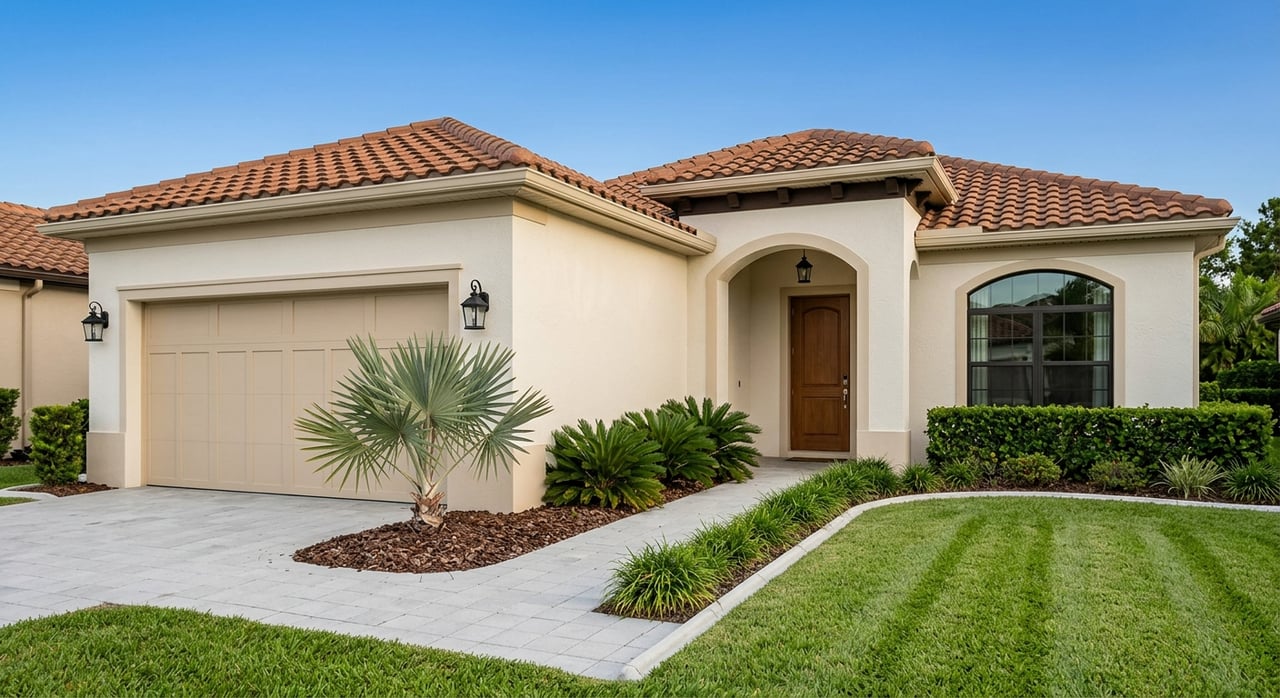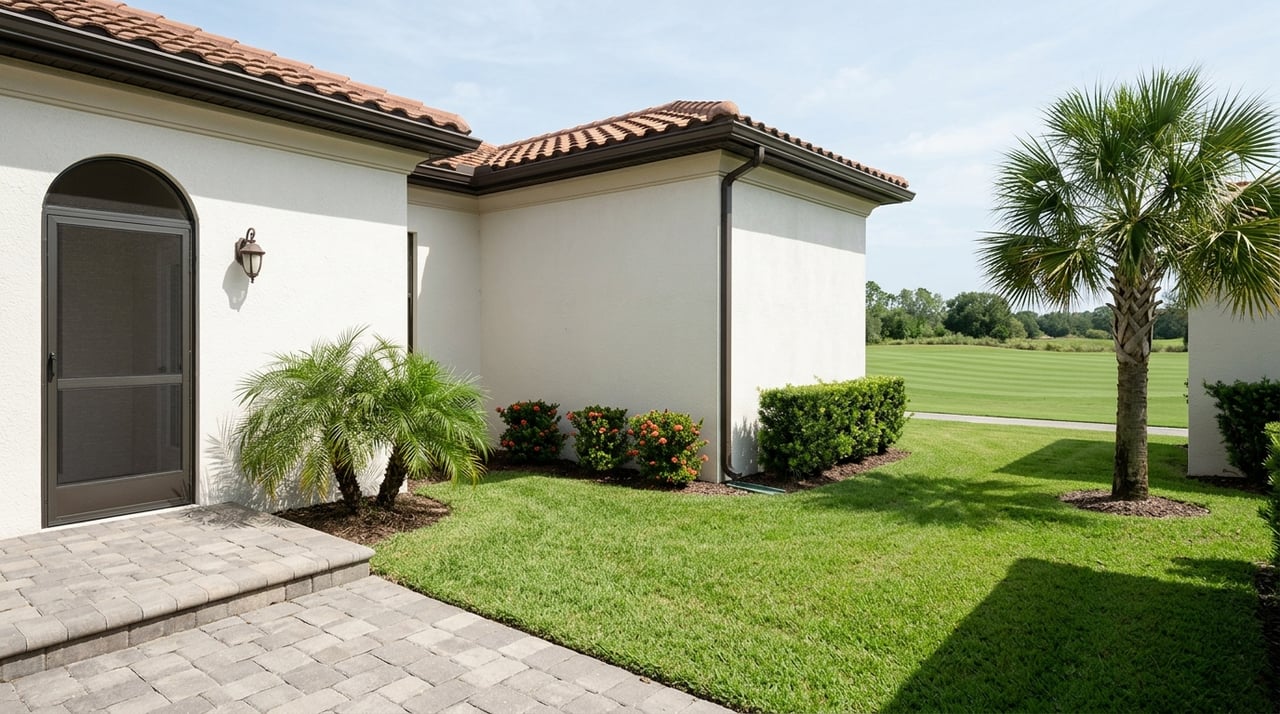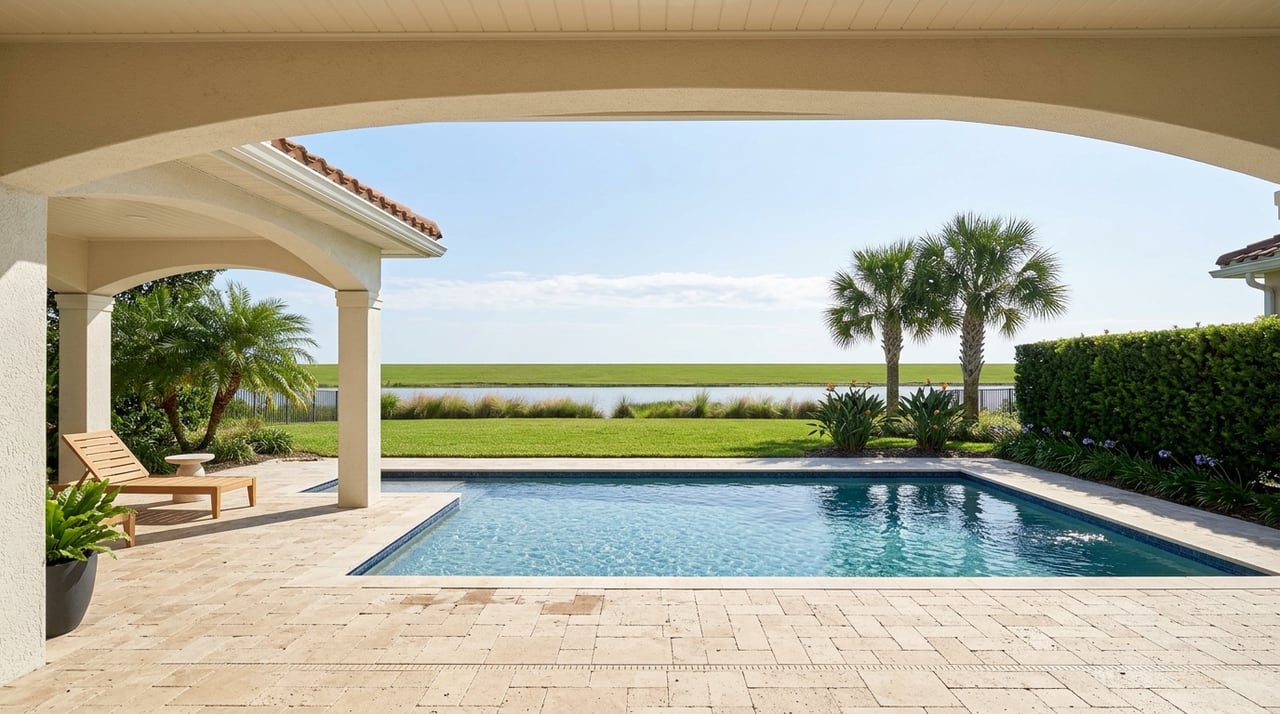
Thinking about building in Waters Edge Lake Gibson? A custom home here can be an exciting way to create the layout, finishes, and outdoor living space you actually want, but the planning stage matters more than most buyers expect. If you start with the right questions about lot type, builder rules, permits, and total budget, you can avoid expensive surprises later. Here’s how to plan your custom build in Lakeland with more clarity and confidence. Let’s dive in.
Start With the Community Setup
Waters Edge Lake Gibson is a gated lake-access community at 3240 N Galloway Rd in Lakeland with 11 private single-family residences, according to the Polk County Builders Association listing. The lot mix includes lakefront, canal, and interior homesites, which matters because each type can affect your design options, water access, and site costs.
Waterfront lots may allow private docks, while interior lots share four boat slips and a dock. That difference alone can shape how you prioritize outdoor living, boating access, and your long-term budget.
Community materials also suggest you should confirm the builder structure before moving forward. The official community site is broad about builders, while the Polk County Builders Association page states homes will be custom designed and built by Joe Goldsmith Construction. Before you commit to a lot, verify whether the current phase uses one designated builder or an approved-builder list.
Build Your Budget Around the Full Project
One of the smartest ways to plan in Waters Edge Lake Gibson is to think beyond the lot price. The official inquiry form already frames the conversation around total lot-plus-home budget ranges of $1 million to $1.2 million, $1.2 million to $2 million, and $2 million and up.
That tells you something important: this is a total-project decision, not just a land purchase. If you focus only on the homesite cost, you can underbudget for major items like site work, pool construction, dock improvements, landscaping, and permit-related expenses.
A useful local example comes from the Polk County Builders Association showcase home in the community. That featured project totaled $1.7 million, including $1.15 million for the home, $220,000 for the lot, $220,000 for the pool area, and $110,000 for outdoor living and landscaping. Even if your numbers differ, that kind of breakdown shows why line-item planning matters.
Include These Budget Categories Early
When you compare lots or builders, ask for a scope sheet that separates major components like:
- Lot cost
- Home construction
- Site work
- Pool and spa
- Dock or shoreline improvements
- Seawall work, if needed
- Landscaping
- Lighting
- Irrigation
- Permit and review fees
This structure helps you compare options more accurately and reduces the risk of treating major outdoor features like optional add-ons when they are really part of the full lifestyle plan.
Verify Lot Details Before You Design
Before you get attached to a floor plan, confirm the parcel details. Lakeland’s address lookup tool can help you check whether a lot is inside city limits and pull zoning, Florida Building Code references, land use, utility-service information, fire district details, and more.
The city also notes that parcel boundaries and dimensions can be found through the Polk County Property Appraiser, and that lot combinations or splits are handled there. That makes early due diligence especially important if you are comparing setbacks, frontage, buildable area, or overall site fit.
A house plan that works on one lot may need changes on another. Width, depth, garage orientation, pool placement, and dock access can all be affected by the exact parcel layout.
Review HOA Rules Before You Commit
Waters Edge Lake Gibson Owners Association, Inc. is listed on Sunbiz as an active Florida not-for-profit corporation filed in 2022. For you as a buyer, that is a strong signal to review association documents before signing a contract.
Pay close attention to architectural review procedures, dock rules, dues, maintenance obligations, and any design restrictions that could affect your build. In a gated lake-access setting, these details can shape everything from exterior materials to shoreline use.
It is much easier to align your plans upfront than to revise them after design work has already started. Ask for the HOA documents early and read them with your lot, budget, and wish list in mind.
Understand Lakeland Design and Permit Requirements
If your lot is inside Lakeland city limits, the city’s design standards will affect your home planning. Lakeland states that Urban Areas require an entry feature such as a porch or stoop, and attached garages facing the primary street must be set back at least five feet behind the front facade. Suburban Areas follow different garage placement and width limits.
These may sound like small details, but they can change your front elevation, driveway layout, and overall streetside appearance. It is better to account for them early than to redesign after plans are underway.
For new homes, Lakeland requires permit applications through iMS, with plan submission through ePlan for most work. The city also says complex permits like new construction require plans signed and sealed by an architect or engineer, and most permit applications should include a site plan.
Budget for City Fees Too
City permit costs are separate from your builder contract. Lakeland’s current published fee summary lists residential plan review at $31.50 or 25% of the building permit fee, whichever is greater, and new construction at $72 or $0.027 per square foot, whichever is greater. The city also notes that permit fees are under review, so confirm current amounts as you budget.
Plan Lakefront Features as Part of the Home
In a community built around lake access, your outdoor plan deserves as much attention as your interior finishes. Lakeland states that dock and seawall projects require city permits and may also involve additional agency review.
The city also requires permits for swimming pools, non-portable spas, and hot tubs, along with setback compliance. That means your pool, dock, shoreline treatment, and patio layout should be considered part of one coordinated site strategy.
Lakeland also notes that aquatic vegetation plays a role in lake health and that living shorelines are an available nature-based alternative to hard seawalls. If outdoor living is a major reason you are building here, talk through dock design, stabilization needs, and planting plans before construction begins.
Vet the Builder Carefully
Before signing a building contract, verify the contractor’s licensing status through Florida’s DBPR. The state says you can search by license number, individual name, or business entity, and it also notes that each construction business must be qualified by a properly licensed individual contractor.
That step helps you confirm that the builder entity on your contract is correctly tied to the licensed professional responsible for the work. It is a simple check, but an important one.
Goldsmith Construction’s site says its process starts with an initial meeting, then budgeting and contract signing before construction begins. That sequence offers a practical roadmap for custom-home planning in Waters Edge Lake Gibson: choose the lot, discuss design priorities, align the budget, finalize the contract, then move into permits and construction.
Expect Permitting to Shape the Timeline
Custom-home timelines are rarely just about construction. In Lakeland, new construction requires signed and sealed plans, formal review, and permit coordination, so the design and approval phase can become the first major timeline gate.
If you are hoping to move by a specific season or coordinate the sale of another home, build in extra time for revisions and approvals. A realistic schedule is one of the best stress-reduction tools in a custom build.
This is also why early decisions matter. The more clearly your lot, builder, site plan, and outdoor features are defined upfront, the smoother the review process is likely to be.
Check Flood Exposure Before Finalizing a Lot
If you are considering a lakefront or lower-lying homesite, flood due diligence should happen before you finalize the purchase. The FEMA Flood Map Service Center is the official public source for flood-hazard information, and flood insurance requirements can apply in Special Flood Hazard Areas shown on the maps.
For a build near water, this can influence elevation decisions, design approach, insurance planning, and total carrying costs. It is much better to understand that early than after you have already chosen a plan.
Think About Taxes and Completion Timing
Polk County’s Property Appraiser states that property values are assessed as of January 1 each year. Its assessment guidance also explains that a new home is treated as vacant land until it is completed.
That means your completion timing may affect when the finished structure begins influencing assessed value and property taxes. If your construction timeline is close to year-end, it is worth understanding how that timing fits into your broader ownership budget.
Design Landscaping for Current Water Rules
As of June 15, 2026, Lakeland is under Phase III water restrictions through July 1, 2026. The city states that irrigation is limited to one day per week based on the last digit of the address, with watering allowed only during approved time windows, and the restrictions apply to all water sources.
For a new custom build, that makes plant selection and sod-establishment planning more important than usual. Drought-tolerant landscaping and a realistic irrigation plan can help you protect your investment while staying aligned with current local rules.
Plan for Long-Term Fit and Resale
A custom home should reflect your goals, but it should also fit the setting. In Waters Edge Lake Gibson, that means paying attention to the neighborhood’s visible standards, the city’s frontage and garage rules, and the lake-oriented character of the community.
You do not need to build the biggest house on the street to make a strong long-term decision. In many cases, the smarter move is to create a well-planned home that feels intentional on the lot, supports the outdoor setting, and respects the community framework.
That kind of planning can make your daily experience better now while also supporting future marketability later. Thoughtful design tends to age better than reactive design.
If you are considering a custom build in Waters Edge Lake Gibson, the right guidance can help you evaluate the lot, ask better builder questions, and plan the full project with fewer surprises. Connect with Elizabeth Willers for local insight and buyer representation tailored to Lakeland’s luxury and lakefront market.
FAQs
What should you confirm before buying a lot in Waters Edge Lake Gibson?
- You should confirm the lot type, water-access setup, HOA rules, builder requirements, parcel dimensions, zoning context, and whether the homesite is inside Lakeland city limits.
How should you budget for a custom build in Waters Edge Lake Gibson?
- You should budget for the full project, including the lot, house, site work, pool, dock or shoreline work, landscaping, irrigation, lighting, and city permit-related costs.
What builder question matters most in Waters Edge Lake Gibson?
- One of the most important questions is whether the community currently requires one designated builder or allows an approved-builder list.
What permits may apply to a custom home in Lakeland?
- New home construction permits, site plan submissions, and signed and sealed plans are required for new construction, and separate permits may also apply for pools, docks, seawalls, spas, and hot tubs.
Why does flood-map review matter for a Lake Gibson homesite?
- Flood-map review helps you understand whether a lot may fall in a Special Flood Hazard Area, which can affect design decisions, insurance needs, and total ownership costs.