Choosing a second home on the water sounds simple until you realize not all waterfront living feels the same. If you are deciding between Lakeland lakefront and Longboat Key coastal property, you are really choosing between two very different Florida lifestyles. One leans inland, residential, and freshwater-focused, while the other centers on beach access, bay views, and barrier-island living. If you want a clearer way to compare them, this guide will help you think through lifestyle, travel, maintenance, and long-term ownership. Let’s dive in.
Two Waterfront Lifestyles
Lakeland and Longboat Key both offer water-oriented living, but the setting changes the experience in a major way. Lakeland is an inland city along I-4 between Tampa and Orlando, and the city notes that it has 38 named lakes. Longboat Key, by contrast, is a coastal barrier island with the Gulf of Mexico on one side and Sarasota Bay on the other, according to the Town of Longboat Key.
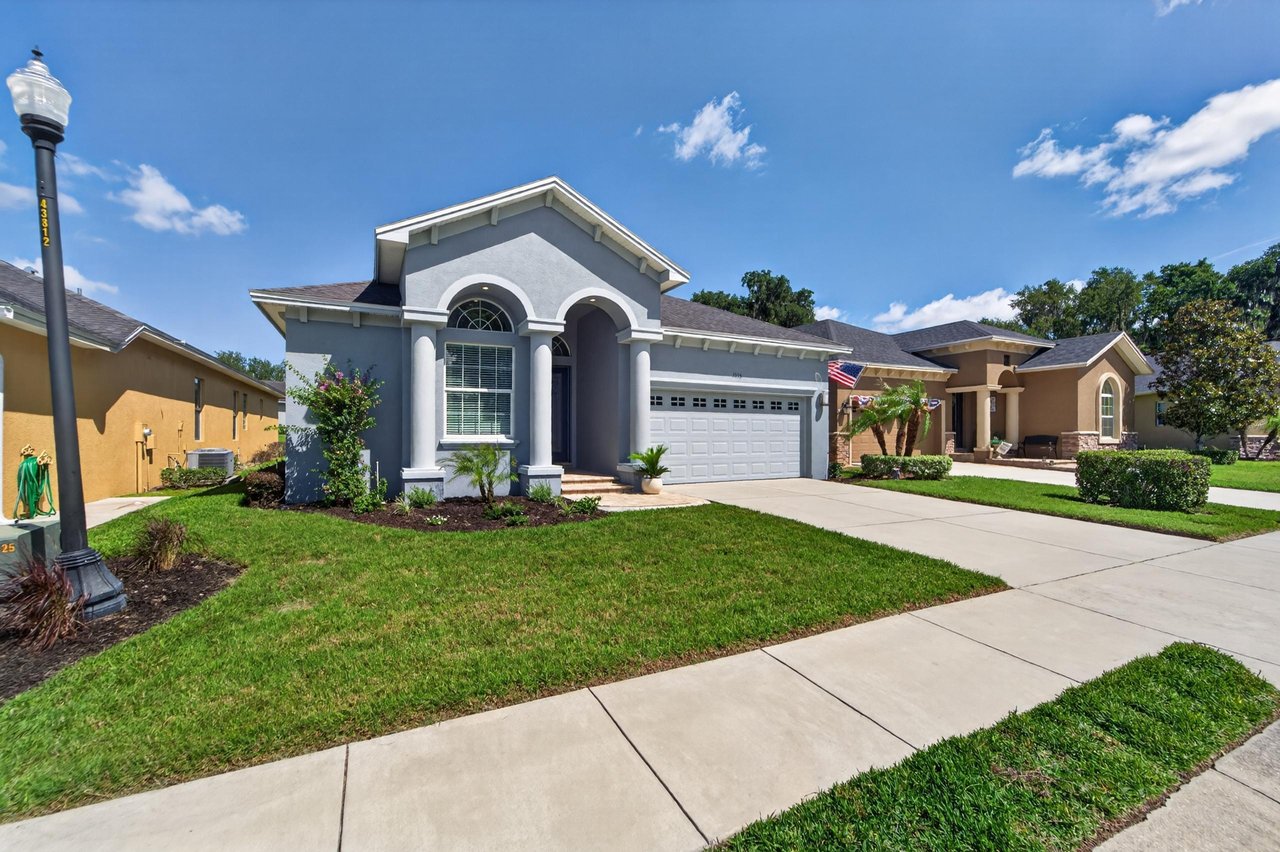
That difference shapes your day-to-day life. Lakeland tends to feel more residential and rooted in everyday city living, with parks, downtown activity, and lake-centered neighborhoods. Longboat Key feels more seasonal and resort-oriented, with a small permanent population and a beach-first identity described in town documents.
Why Lakeland Feels Different
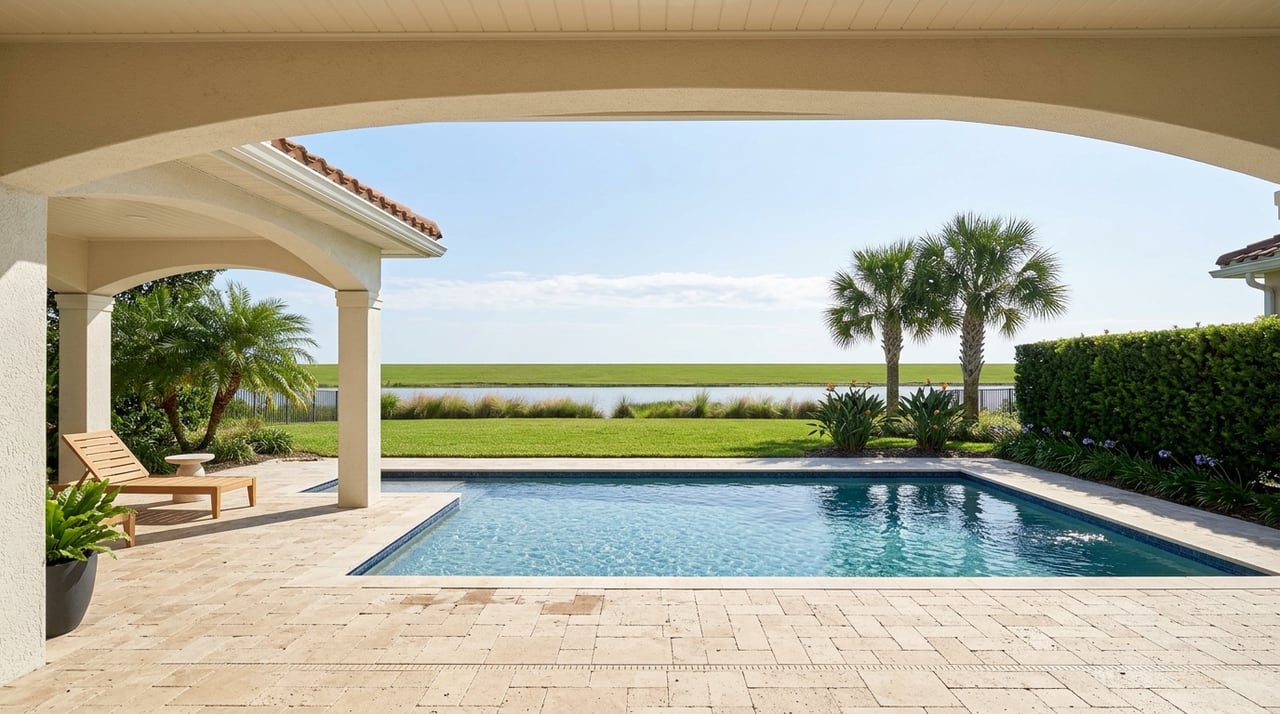
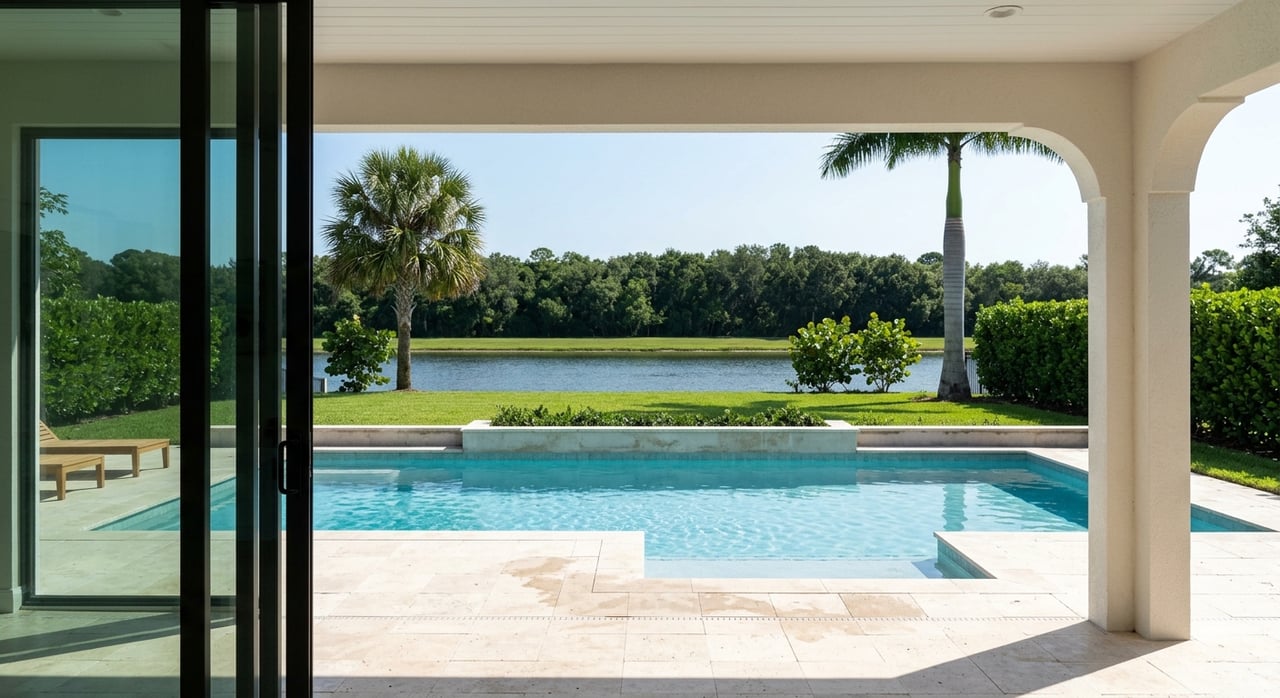
Lakeland lakefront is often a fit if you want a quieter freshwater setting that still keeps you connected to a full-service inland city. You may prefer the pace if your idea of a second home is less about a resort atmosphere and more about ease, routine, and a calmer waterfront backdrop.
It can also appeal if you want your second home to feel usable beyond vacation windows. Since Lakeland sits between Tampa and Orlando along I-4, it offers a more central location for owners who expect frequent drives, weekend stays, or flexible use throughout the year.
Why Longboat Key Stands Out
Longboat Key is better suited to buyers who picture beach access, bay views, and a distinctly coastal setting. The town emphasizes public beach access, and its location between the Gulf and Sarasota Bay creates the kind of water experience many buyers imagine when they think about a Florida getaway.
At the same time, the island environment comes with more planning. The town notes that beaches are not monitored by lifeguards and rip currents are possible, which is a reminder that coastal beauty and coastal conditions go together.
Lifestyle Questions To Ask Yourself
Before you compare home styles or price points, it helps to get specific about how you want to use the property. A second home should support your routine, not complicate it.
Here are a few useful questions to consider:
- Do you want freshwater views and a quieter residential setting?
- Do you want direct access to beach and bay living?
- Will you visit often for shorter trips or stay for longer seasonal stretches?
- Do you want easier inland travel logistics?
- Are you comfortable with more coastal maintenance and storm planning?
If your priorities center on simplicity, drivability, and a more everyday waterfront feel, Lakeland may be the stronger match. If your priorities center on the coast itself and you are comfortable planning around barrier-island ownership, Longboat Key may feel worth the tradeoff.
Ownership Differences Matter
A second-home purchase is not just about the view. It is also about what ownership asks of you over time.
Longboat Key Coastal Exposure
On a barrier island, you need to think beyond aesthetics. FEMA states that barrier islands face the strongest hurricane wave action, and NOAA notes that salt spray can frequently corrode building materials in coastal environments. In practical terms, that means Longboat Key ownership may involve more attention to weather exposure, exterior materials, and ongoing maintenance.
Longboat Key also has two beach-nourishment special districts, which signals that shoreline management is a recurring local issue. That does not make ownership a bad idea, but it does mean buyers should go in with a clear understanding of what coastal stewardship can involve.
Lakeland Lakefront Considerations
Lakeland has water-related ownership factors too, but they are different. The city maintains stormwater and lake-improvement programs because runoff can affect lake water quality and contribute to algae blooms.
For you as a buyer, that shifts the focus toward drainage, shoreline condition, and the health of the lake environment. Instead of salt air and surf exposure, you are more likely to evaluate how the property interacts with stormwater and lake systems over time.
Flood Insurance And Planning
No matter which type of waterfront home you choose, insurance deserves early attention. FEMA states that flood insurance is typically separate from homeowners insurance, and flooding can happen outside mapped high-risk areas.
That point matters for any waterfront purchase, but it is especially relevant on a barrier island like Longboat Key. As you compare options, ask about current insurance structure, flood-zone context, and what the property has historically required. On lakefront property, you should still treat flood planning as a serious part of due diligence rather than an afterthought.
Travel And Access
The best second home is one you can enjoy without friction. Access can play a much bigger role than buyers expect.
Lakeland has an inland advantage for some owners. The city highlights its location along I-4 between Tampa and Orlando, and it also notes that Lakeland Linder International Airport is about four miles southwest of the central business district with access via Polk Parkway.
Longboat Key buyers often think instead about regional coastal access through Sarasota. Visit Sarasota County describes Sarasota Bradenton International Airport as a full-service airport serving Sarasota and its island resort areas. If your travel habits depend on quick beach access after a flight, that may support the case for Longboat Key. If your trips are more often drive-based and spread across Central Florida, Lakeland may feel easier.
Tax Questions For A Second Home
Many second-home buyers ask whether the Florida homestead exemption applies. In most cases, it does not.
According to the Manatee County Property Appraiser, the Florida homestead exemption is for a permanent primary residence, so a second home generally will not qualify. That is an important ownership-cost consideration whether you are buying inland or on the coast. For Longboat Key specifically, remember that the town spans Manatee and Sarasota counties, so the applicable county office depends on the parcel.
Which Buyer Fits Each Market?
There is no universal winner here. The better choice depends on how you define value in a second home.
Lakeland May Fit You If
- You want freshwater waterfront living
- You prefer a quieter, more residential setting
- You value easier inland travel and central location
- You want a second home that feels practical for frequent use
- You are more comfortable evaluating drainage and lake conditions than coastal exposure
Longboat Key May Fit You If
- You want Gulf-and-bay coastal living
- You are drawn to a seasonal, resort-island atmosphere
- You prioritize beach access over inland convenience
- You are prepared for more coastal planning and maintenance
- You understand the added importance of flood and storm considerations on a barrier island
The Real Decision
The cleanest way to frame this choice is simple: Lakeland is usually the better fit if you want a freshwater second home with easier inland logistics, while Longboat Key is often the better fit if you prioritize beach-and-bay living and accept more coastal planning. Both can be compelling, but they serve different goals.
If you are weighing a waterfront purchase and want help comparing lifestyle tradeoffs, ownership costs, and location fit, Elizabeth Willers can help you think through the decision with a local, practical lens.
FAQs
What is the main difference between Lakeland lakefront and Longboat Key waterfront living?
- Lakeland offers inland freshwater living in a more residential city setting, while Longboat Key offers barrier-island living centered on beaches, bays, and a more seasonal coastal atmosphere.
Is flood insurance important for a Longboat Key second home?
- Yes. FEMA states that flood insurance is typically separate from homeowners insurance, and that is especially important to review for barrier-island property like Longboat Key.
What should buyers watch for with Lakeland lakefront property?
- Buyers should pay close attention to drainage, shoreline condition, and lake health, since Lakeland links runoff and stormwater issues to water-quality concerns such as algae blooms.
Does a Florida homestead exemption apply to a second home in Longboat Key or Lakeland?
- Generally no. County guidance states the homestead exemption is intended for a permanent primary residence, so most second homes will not qualify.
Is Longboat Key in one county or more than one?
- Longboat Key spans both Manatee and Sarasota counties, so the relevant county office depends on the specific parcel.
Which location is easier for inland travel and regular weekend use?
- Lakeland may be easier for many owners because it sits along I-4 between Tampa and Orlando, giving it a more central inland position for frequent drives and flexible use.