Thinking about trading Tampa’s pace and price point for more space in Lakeland? You are not alone. For many buyers and sellers, this move comes down to three big questions: what your housing budget will buy, what the I-4 commute will really feel like, and whether Lakeland’s day-to-day lifestyle fits your goals. This guide breaks down those essentials so you can plan your next move with more clarity. Let’s dive in.
Housing Costs: Tampa vs. Lakeland
If affordability is driving your move, Lakeland usually looks friendlier on paper. Recent market data shows a median sale price of $490,000 in Tampa compared with $319,000 in Lakeland. Census figures also show lower median home values and lower median gross rent in Lakeland than in Tampa.
That gap can matter in practical ways. If you are selling in Tampa and buying in Lakeland, you may be able to stretch your budget further, reduce your monthly payment, or target a home with more space. Still, your real buying power depends on your mortgage payoff, closing costs, needed repairs, and how the timing of both transactions lines up.
Another factor is market speed. Tampa homes are taking about 67 days to sell, while Lakeland is closer to 48 days. If you need to sell before you buy, that difference can affect your timeline and how carefully you coordinate closings.
What the numbers mean for you
Looking only at sale price can miss the bigger picture. A smart comparison includes:
- Purchase price
- Estimated monthly mortgage payment
- Property type and size
- Days on market in each city
- Your timing for selling and buying
For many households, Lakeland is the lower-cost option that can open up more choices. Tampa, on the other hand, still tends to carry a higher price floor, especially in areas closer to the urban core and waterfront.
Home Styles and Neighborhood Feel
One of the biggest differences between Tampa and Lakeland is how each city feels residentially. Tampa has a more urban housing mix, with a larger share of multifamily housing and more density in and around central areas. The city’s own planning documents show a housing stock that includes 52% single-family detached homes and 19% 20-or-more-unit multifamily housing.
Lakeland feels different. Its housing profile includes 48.4% detached homes, 8.4% 20-or-more-unit housing, and 15.6% mobile homes, which points to a more mixed but still strongly single-family-oriented environment. In simple terms, you are more likely to notice a smaller-city rhythm and a broader range of older residential areas.
Historic homes and older neighborhoods
If you like homes with character, Lakeland offers a strong historic layer. The city has seven local historic districts and more than 1,600 historic buildings. You will find architectural styles such as Craftsman bungalows, Tudor, Spanish Revival, masonry vernacular, and minimal traditional homes.
Older Lakeland areas near places like Lake Morton, Lake Hunter, Dixieland, and Biltmore/Cumberland often appeal to buyers who want established streetscapes and distinctive architecture. These areas can feel very different from newer suburban communities, so it helps to get clear on your priorities before you start touring.
Newer communities and suburban space
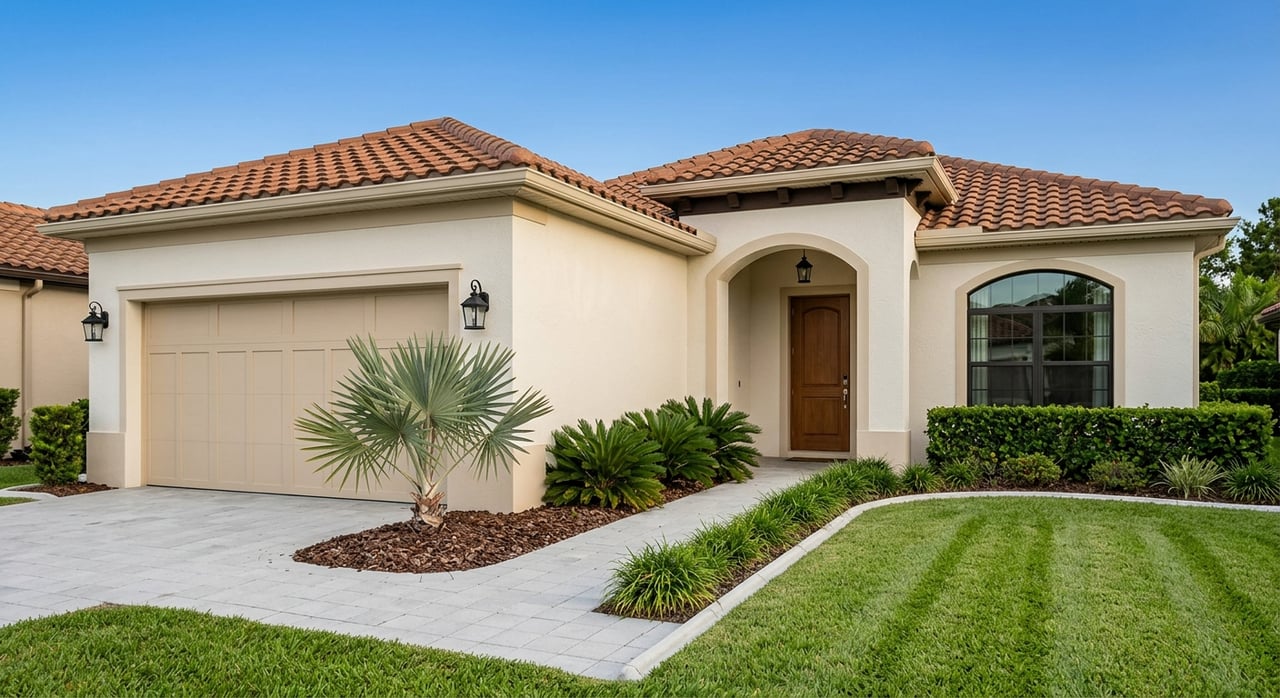
Lakeland also offers newer neighborhoods with more suburban layouts and amenities. In TerraLargo, recent sales ranged from the mid-$300,000s to the low-$600,000s, with a neighborhood median sale price of $425,000. That gives you one example of how newer Lakeland inventory can still come in below Tampa’s citywide median.
If you are looking for a higher-end Lakeland option, Lake Hollingsworth shows a different side of the market. Recent sales there ranged from the low-$200,000s to about $749,000, with a recent median listing price around $663,000. That range shows Lakeland is not just about spending less. It is also about choosing between very different home styles, settings, and price points.
Commute Reality: What to Expect on I-4
For most people moving from Tampa to Lakeland, the commute conversation starts and ends with I-4. Florida DOT identifies the I-4 corridor as a major regional route connecting downtown Tampa through Central Florida, and the state continues to work on corridor improvements aimed at congestion relief.
The key point is simple: if you live in Lakeland and work in Tampa, driving will usually be your default. You should not plan this move around a guaranteed drive time, because traffic, incidents, and construction conditions on I-4 can change day to day.
Census data lists average one-way commute times of 24.8 minutes in Tampa and 23.1 minutes in Lakeland, but those are citywide local averages. They do not reflect a daily Tampa-to-Lakeland trip. In real life, a cross-city commute will usually be longer and more sensitive to peak traffic patterns.
Is public transit enough?
Public transportation does exist, but for most households it works better as a backup than a full replacement for a car. Tampa’s HART system offers local fixed routes, express service, MetroRapid, and the TECO streetcar. In Polk County, Citrus Connection provides countywide transit and free shuttle service in Lakeland and Lake Wales.
There is also an intercity bus baseline that includes service between downtown Tampa and downtown Lakeland along the I-4 corridor. Even so, most people making this move should still expect a car-based routine for work, errands, and day-to-day flexibility.
How to test your commute before moving
Before you commit, try to pressure-test the route. A few smart steps can help:
- Drive the route during your actual work hours
- Test both morning and evening peak times
- Check how often you will need to be in Tampa
- Factor in school, activities, or errands if they apply to your household
- Decide what commute length feels sustainable five days a week
That last point matters most. A move that looks great on paper can feel very different once the weekly drive becomes part of your routine.
Lifestyle Changes From Tampa to Lakeland
Tampa offers the bigger-city experience. The city highlights 146 parks, a mix of downtown waterfront living, condo options, detached neighborhoods, and the TECO Line Streetcar in the urban core. If you like density, variety, and a more urban environment, Tampa clearly delivers more of that.
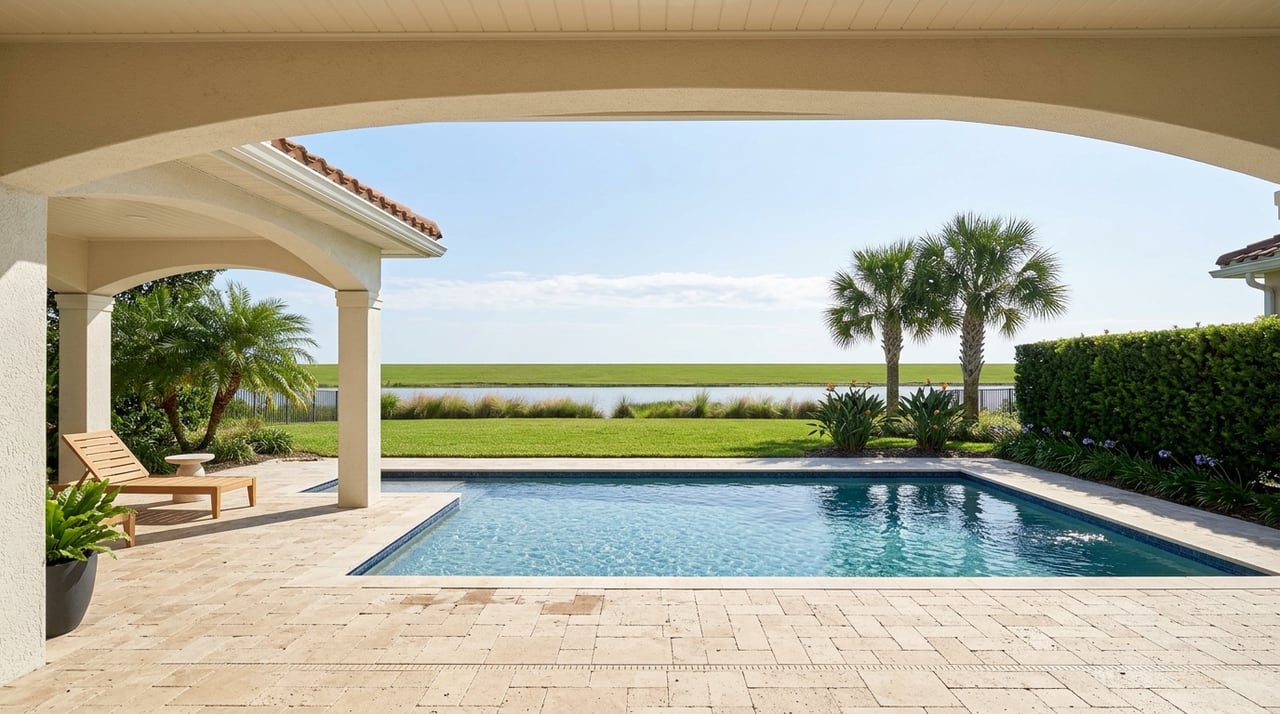
Lakeland offers a smaller, more lake-centered setting. The city has 38 named lakes and more than 70 parks and recreation venues. That combination supports a daily lifestyle that often feels more local, outdoors-oriented, and easier to navigate for shorter errands and routine activities.
Downtown Lakeland also has a managed parking system designed to support short visits and errands. That may sound like a small detail, but it reflects a practical difference in day-to-day life. In many cases, Lakeland simply feels more scaled to quick local movement than Tampa.
Which lifestyle fits best?
The move tends to make sense when you want:
- More house for the money
- A smaller-city feel
- Access to historic or lake-centered neighborhoods
- A home base in Polk County with Tampa access when needed
You may feel the tradeoff more if you want to stay close to Tampa’s urban core, rely heavily on a short daily commute, or prefer a denser housing environment.
How to Plan the Move Strategically
A Tampa-to-Lakeland move works best when you plan it as both a lifestyle change and a financial decision. The biggest variables are usually your available equity, your tolerance for commuting, and the type of Lakeland neighborhood you want.
If you already own in Tampa, start by estimating your likely net proceeds, not just your expected sale price. You will want to account for loan payoff, closing costs, and any work needed to prepare your home for sale. From there, you can compare what that budget range opens up in Lakeland.
Questions to answer early
Before you make the move, try to get clear on these points:
- Do you need to sell your Tampa home before buying in Lakeland?
- Would temporary housing make timing easier?
- Are you looking for historic character, newer construction, or more space?
- How often will you need to commute back to Tampa?
- What monthly payment feels comfortable after the move?
These answers can shape everything from your home search area to your closing strategy. They can also help you avoid the common mistake of focusing only on price while underestimating commute or lifestyle fit.
If you are relocating from Tampa to Lakeland, the best outcome usually comes from balancing all three pieces together: housing, commute, and lifestyle. When those align, the move can create more flexibility, a home that fits better, and a day-to-day routine that feels more sustainable. If you want help comparing Lakeland options or planning your transition from Tampa, reach out to Elizabeth Willers for local guidance tailored to your move.
FAQs
Is Lakeland cheaper than Tampa for homebuyers?
- Yes. Recent market data shows a median sale price of $319,000 in Lakeland compared with $490,000 in Tampa, and Census figures also show lower median home values and rent in Lakeland.
Is commuting from Lakeland to Tampa realistic for work?
- It can be, but most households should expect a car-based commute on I-4 that is longer and more traffic-sensitive than either city’s average local commute time.
What kinds of homes can you find in Lakeland compared with Tampa?
- Lakeland offers a mix of detached homes, historic neighborhoods, newer suburban communities, and some mobile homes, while Tampa has a denser and more multifamily-heavy housing mix.
What lifestyle differences should you expect when moving from Tampa to Lakeland?
- Tampa offers a larger urban environment with more density and 146 parks, while Lakeland has a smaller-city feel centered around 38 named lakes and more than 70 parks and recreation venues.
What should Tampa homeowners consider before buying in Lakeland?
- You should review your likely net proceeds, closing timeline, commute needs, and preferred neighborhood style so you can match your budget with the right Lakeland area and home type.